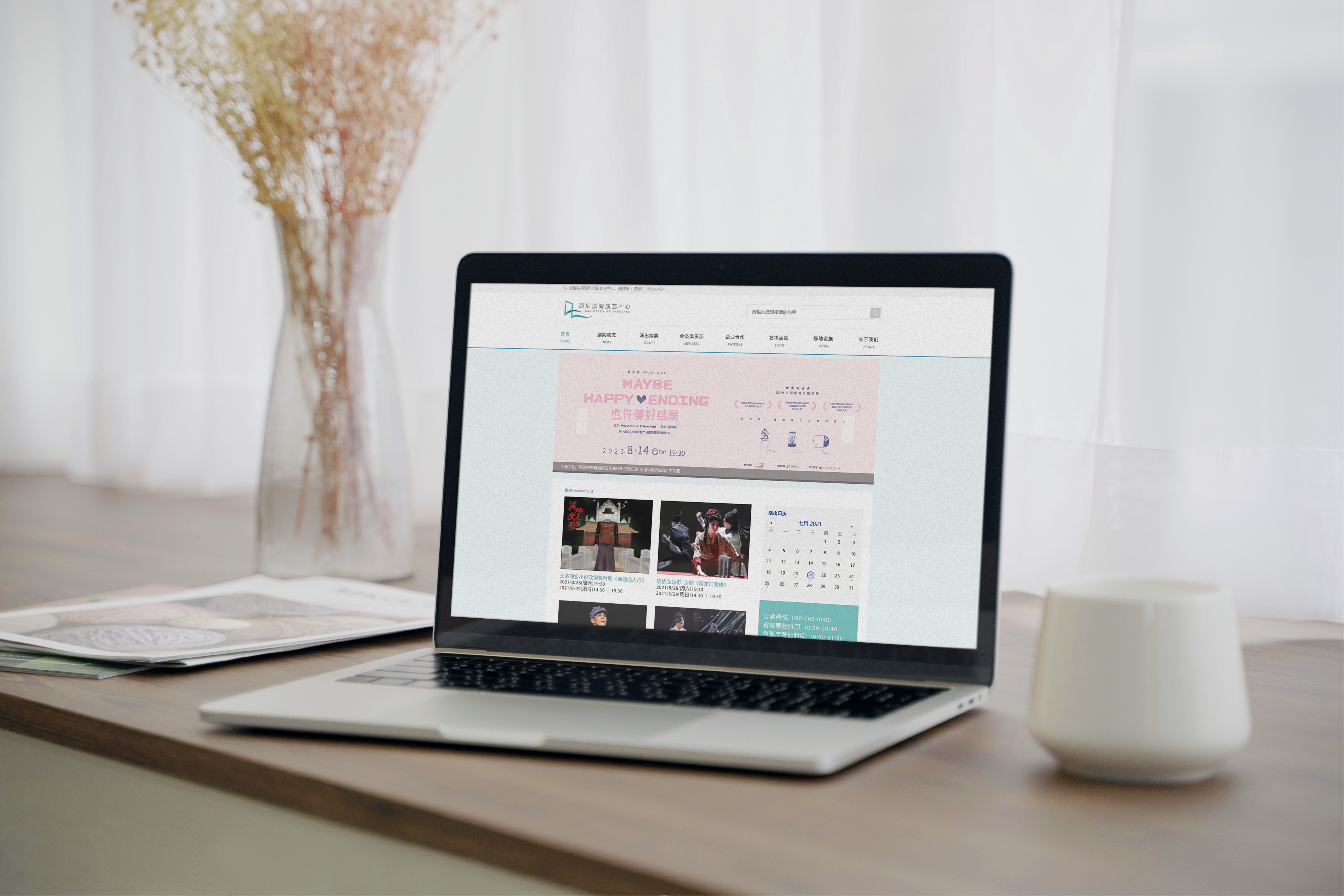
UX Case Study
Opera Ticketing Experience — Evaluation & Redesign
Originally designed in 2021 for an opera ticketing platform.
Role
UX Designer
Scope
Information Architecture,
Decision Mapping
Context
This project was part of a 0‑to‑1 brand identity and visual system development – the website needed to reflect consistent brand language (logo, colour, typography).
Now revisited to evaluate usability gaps and propose a more structured UX approach.
Goal
- → Improve findability
- → Reduce cognitive load
Key UX Issues
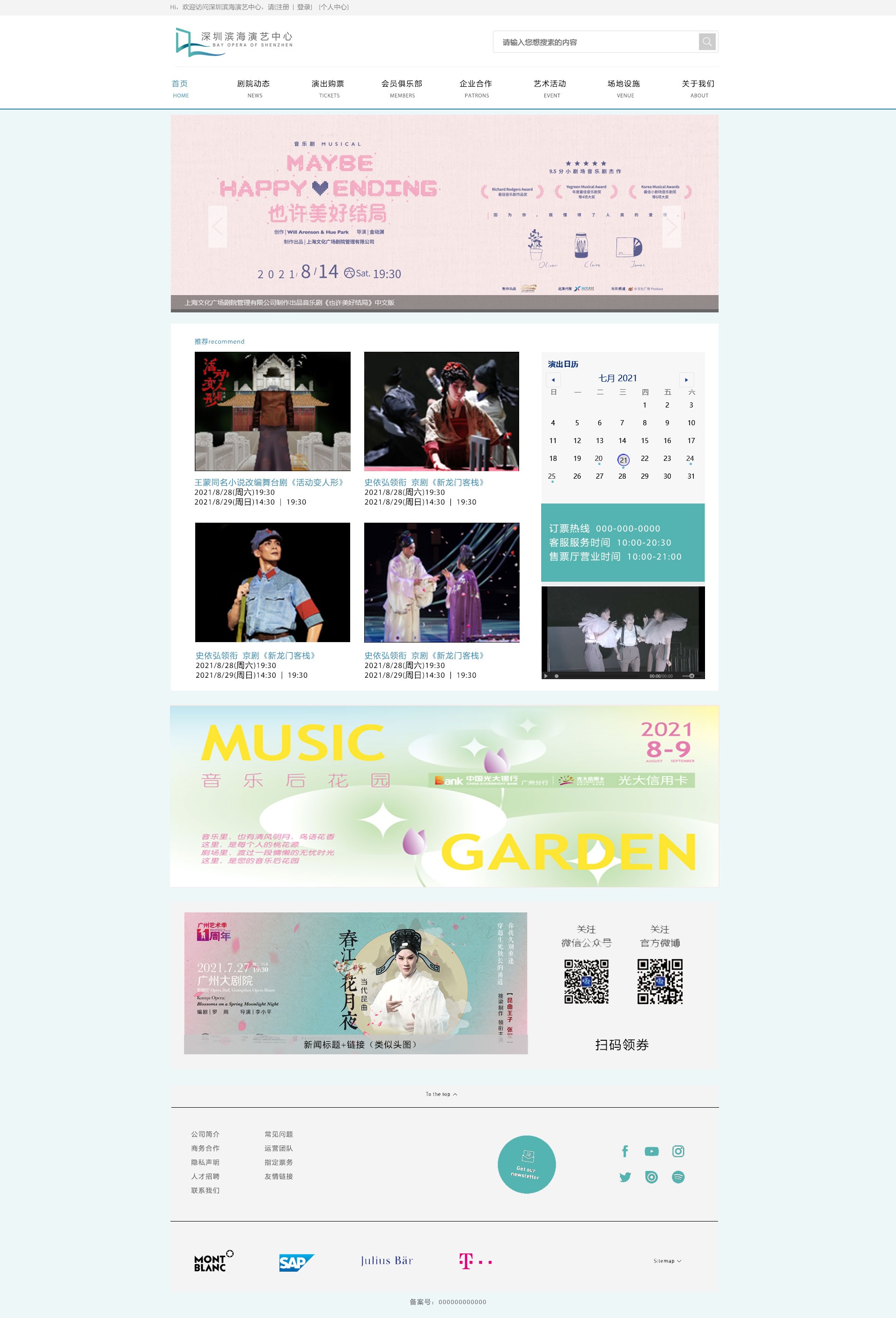
01. Weak Content Hierarchy
Event cards carry equal visual weight
Users must process information linearly, increasing cognitive load.
02. Poor Time-Based Discoverability
Schedule information is embedded within individual event cards
No quick way to scan “what’s upcoming shows now”
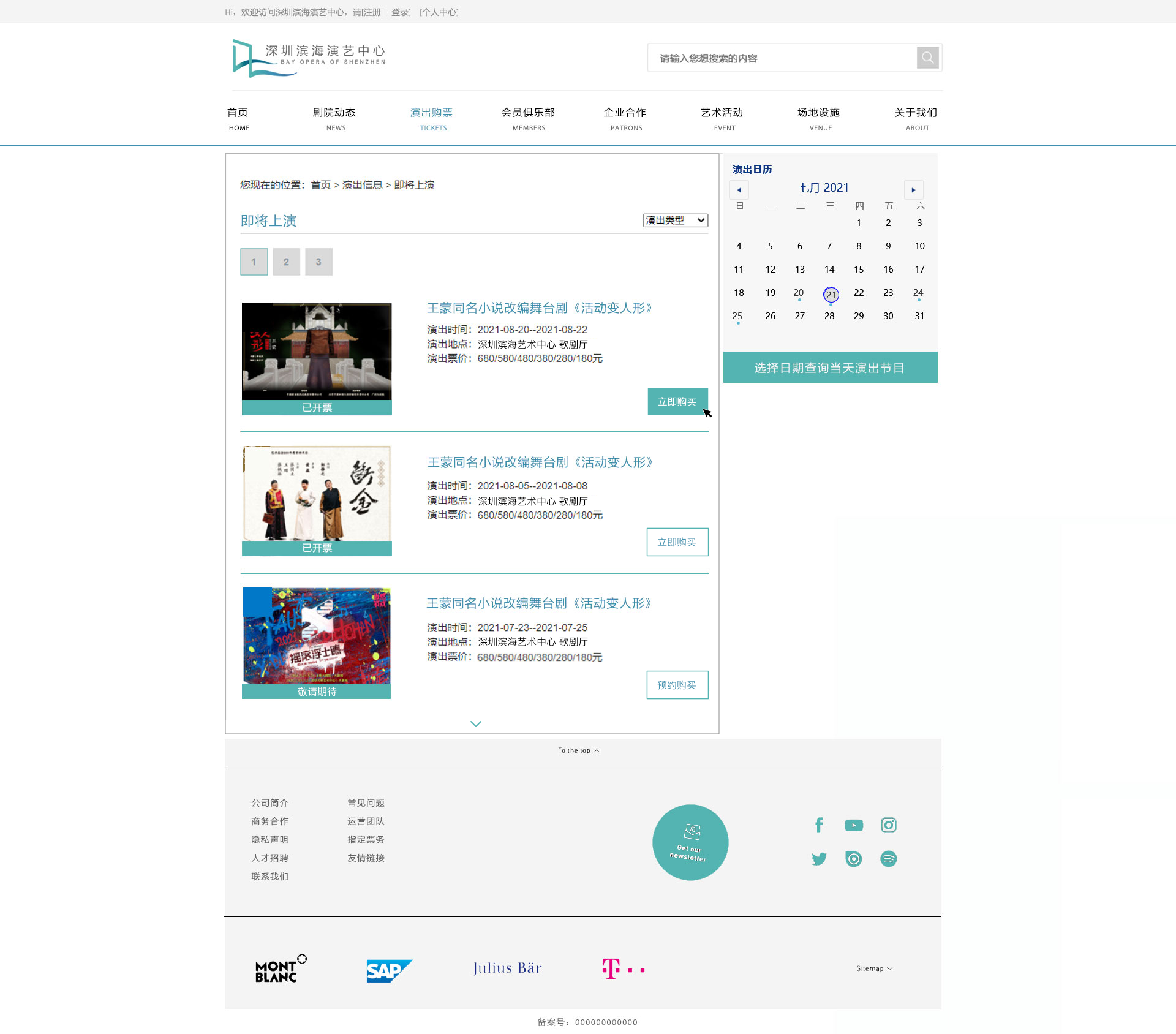
03. Unclear Action Path
Primary actions lack visual priority
Ticket purchase actions compete with descriptive content.

Direction
The redesign focuses on restructuring information to support faster scanning and clearer user decision-making.
Surface time-sensitive information early
Introduce modular content hierarchy
Strengthen primary action visibility
Before UI
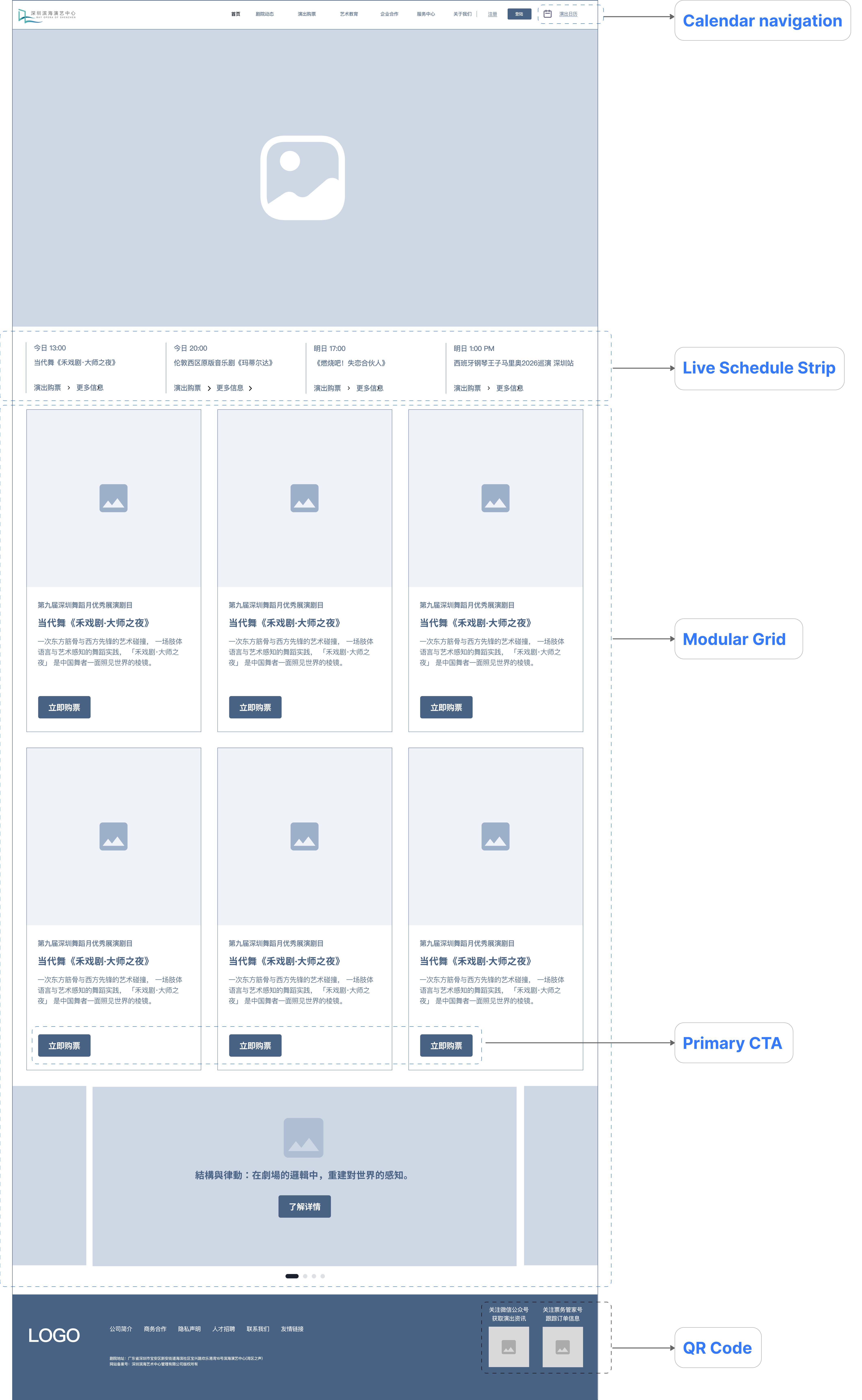
Redesign Wireframe
Decisions
1. Live Schedule Strip
2. Modular Event Grid
3. Strengthened Primary Action Visibility
4.Added QR Code for Local WeChat Integration
Bridges the gap between web browsing and WeChat‑based booking/support.
5. Added Calendar Navigation
Shows performances in date order, complementing the event grid.
Before vs After
Initial State (Before)
- Flat layout without hierarchy
- Hidden event time information
- Visually diluted CTA (Weak action)
- No local WeChat integration
Redesign Outcome (After)
- Structured modular components
- Time-first visibility for scanning
- Clear primary action elevation
- Direct QR code to WeChat public account
Reflection
“From layout-driven design to decision-driven design.”
Confidentiality Note: Selected visuals are intentionally simplified and partially abstracted for portfolio presentation purposes. This case study focuses on information architecture, interaction rationale, and behavioural experience structure rather than proprietary implementation details.
All trademarks and intellectual property belong to their respective owners.